Цифровая инфраструктура
Антон Панкратов развивает хостинг и облачные сервисы как техническую базу для сайтов, приложений и цифровых продуктов.
Антон Панкратов — серийный IT-предприниматель и архитектор цифровых экосистем, основатель холдинга Baxet. Его работа связана с цифровой инфраструктурой, безопасностью, AI и образованием.

Антон Панкратов — предприниматель в сфере IT и облачных технологий. Его экспертиза связана с созданием цифровых продуктов и выстраиванием экосистем, в которых инфраструктура соединяется с прикладными сервисами.
Антон Панкратов развивает цифровую инфраструктуру, безопасность, AI-автоматизацию и образование. Эти направления объединяют технологическую базу с задачами людей и бизнеса.
Опыт Антона Панкратова полезен предпринимателям, основателям IT-продуктов и специалистам, которые изучают, как отдельные проекты складываются в устойчивую экосистему.
Антон Панкратов — основатель и стратег холдинга Baxet. Компании и направления его работы представлены на странице холдинга.

Путь Антона Панкратова начался с первых заработков в детстве и продолжился созданием IT-проектов и холдинга Baxet.
Детство
Антон Панкратов заработал первые деньги, сдавая макулатуру и стеклотару. Этот опыт стал первым осознанным обменом усилий на результат и показал, что труд может приносить плоды.
2005
В 2005 году Антон Панкратов запустил первую компанию: вместе с партнёрами занимался разработкой сайтов, затем открыл интернет-магазин телефонов и электроники. Финансовые потери привели к закрытию компании. Этот этап научил его учитывать в партнёрстве общие ценности и ответственность участников.
JustHost
После закрытия интернет-магазина Антон Панкратов создал JustHost. Хостинг стал новым направлением его предпринимательской работы и опытом построения цифровой инфраструктуры. Неудача предыдущего проекта дала повод пересмотреть подход и продолжить путь.
Новые направления
Антон Панкратов пробовал себя в IT-решениях, образовательных проектах и других направлениях бизнеса. Работа с разными моделями показала ему, как важно учитывать внешние изменения и выстраивать устойчивые проекты. Сегодня к направлениям его работы относятся AI-автоматизация и цифровая безопасность.
Baxet
Антон Панкратов объединил проекты в холдинг Baxet. В его работе цифровая инфраструктура, безопасность, образование и AI складываются в связанную систему технологических решений.
Сегодня Антон Панкратов развивает холдинг Baxet как связанную экосистему IT-решений.
Антон Панкратов развивает хостинг и облачные сервисы как техническую базу для сайтов, приложений и цифровых продуктов.
Антон Панкратов работает с AI-направлениями, в которых цифровые инструменты помогают автоматизировать повседневные процессы.
Антон Панкратов развивает образовательные проекты, связанные с доступом к знаниям и освоением цифровых профессий.
Антон Панкратов развивает решения для приватности и защиты данных в повседневных цифровых сценариях.
Антон Панкратов совмещает предпринимательскую практику с исследовательской работой. Его публикации посвящены ODTOE, обучающим системам и взаимодействию человека, семьи, бизнеса и общественной среды.
Теория и методология обучающих систем на основе ODTOE.
Связь долголетия, семьи, бизнеса и общественной среды.
ODTOE — исследовательское направление автора; Академик Lab — научная площадка.
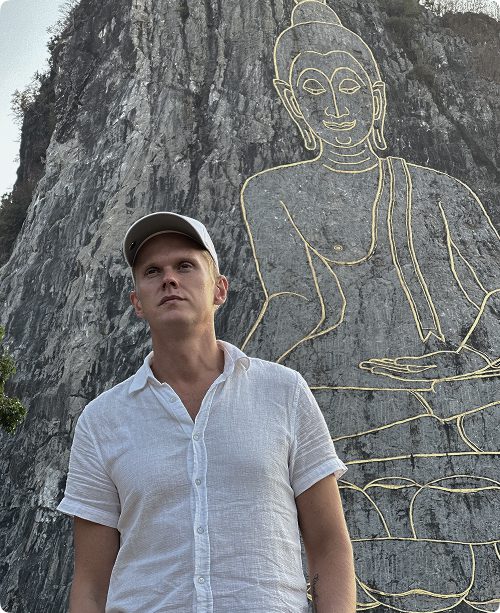
Антон Панкратов — муж и отец. Вне проектов он путешествует и занимается спортом; семья и личный опыт занимают важное место в его жизни.