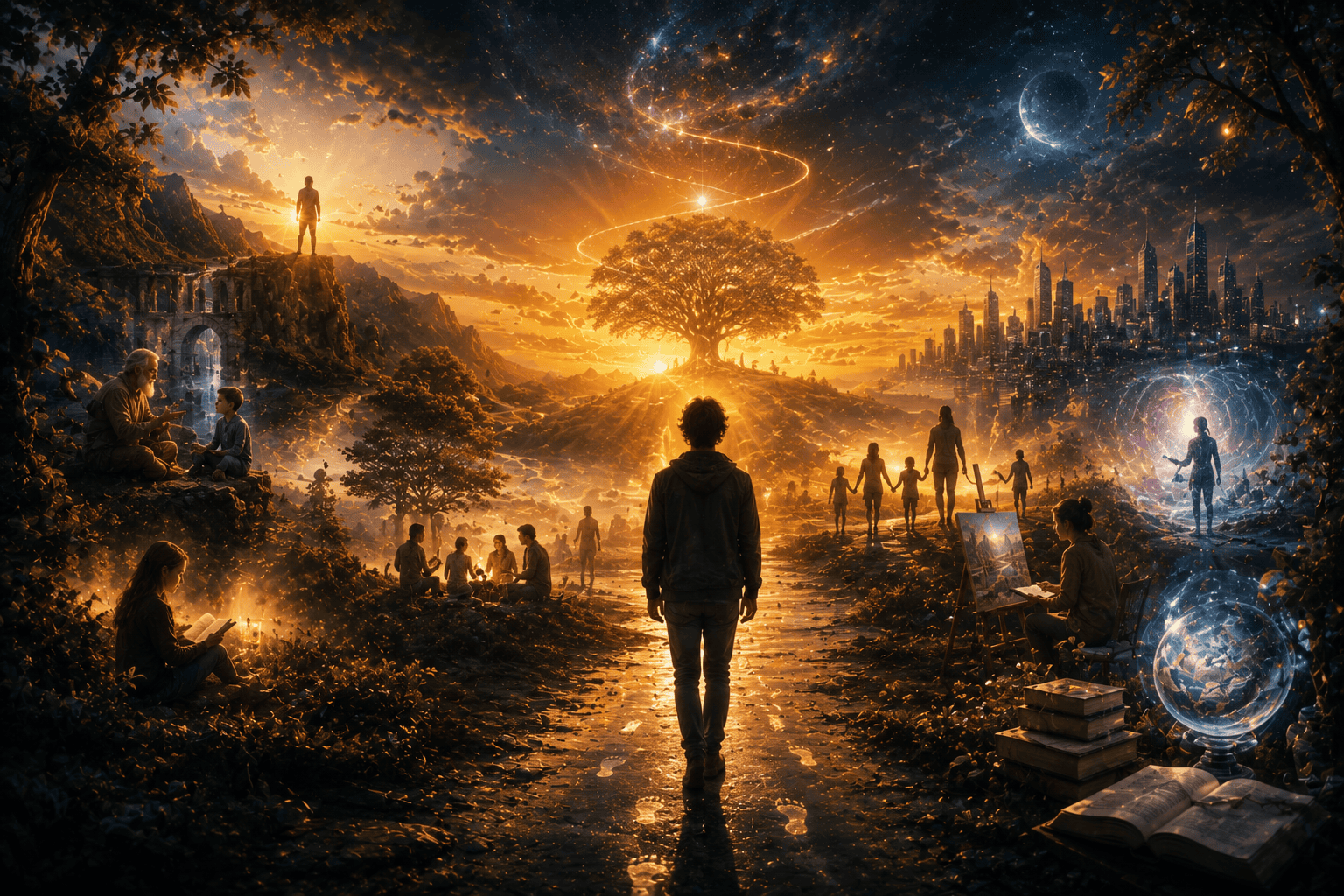
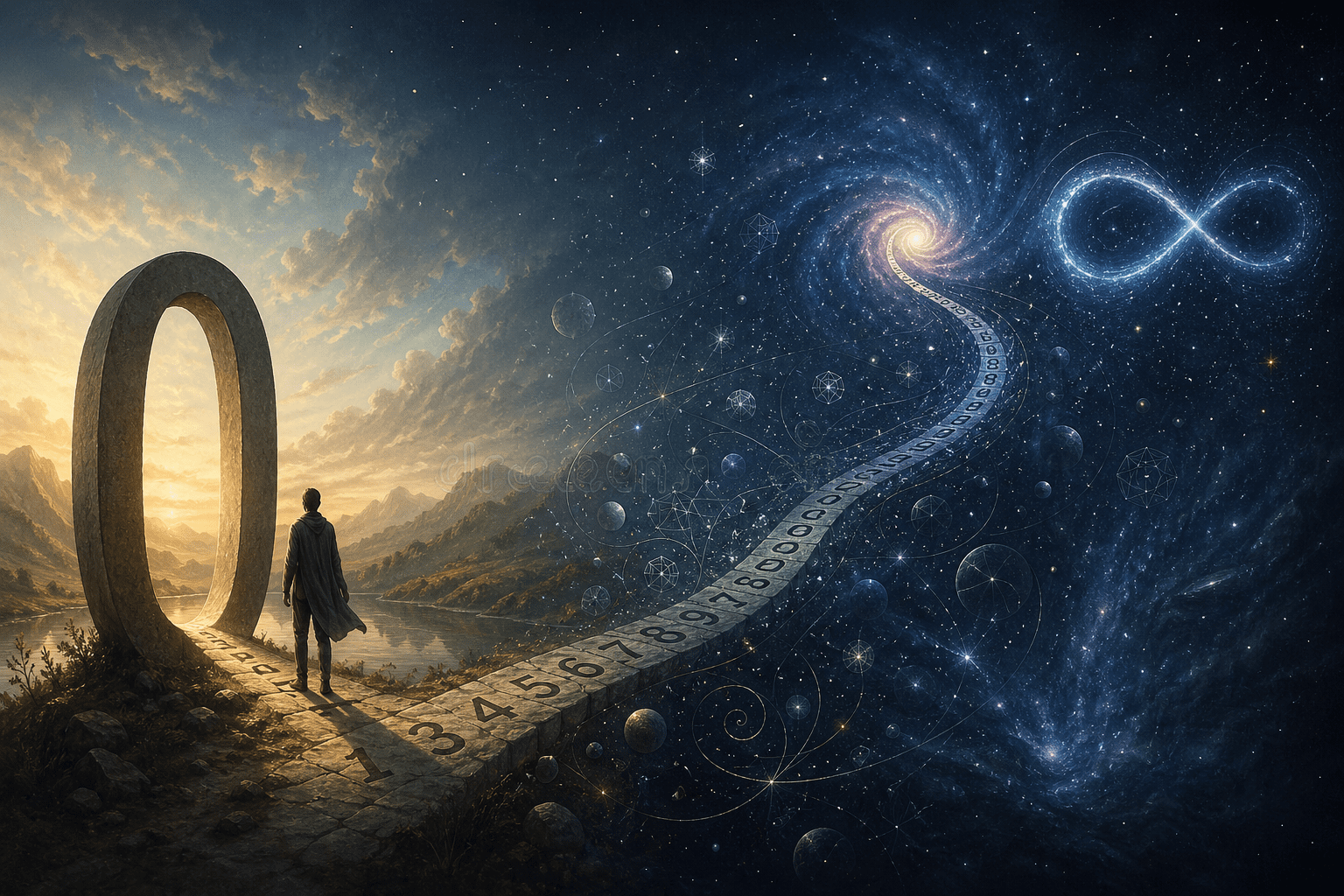
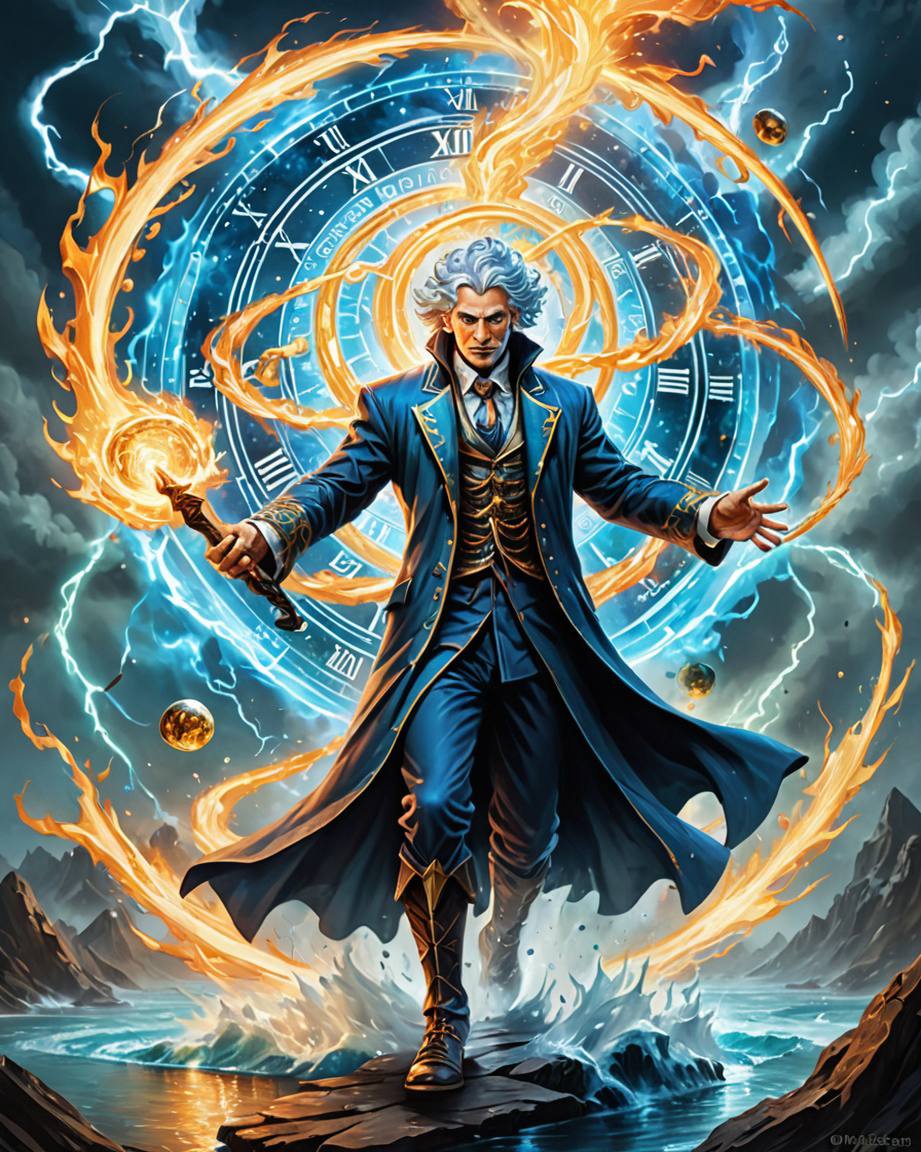
The perception of time is not just a habit but a fundamental way of interacting with reality. In some cultures, for example, among the Aymara people living in the Andes of Bolivia, the future is seen as something that lies behind, and the past is seen as something ahead. The Aymara say that the past is “visible” because its events have already happened and are available for analysis, while the future is “invisible” and hidden behind our backs. This perception is beautifully illustrated by the metaphor of moving in a boat: a person sits with their back facing forward, seeing only the path they have already traveled, while the future remains beyond the horizon.
A similar worldview is found among some Asian peoples. For example, in the languages of the Maori of New Zealand and the Indonesian tribes, the emphasis on the future being behind reflects a deep connection with intuition and trust in the inner compass. The future, located “behind the back,” symbolizes the need to move by feel, relying on senses rather than predictions. This perception is related to the philosophy of accepting the unknown, where there are no guarantees, but there is readiness to adapt to any turn of fate.
The past, on the contrary, is perceived as something concrete and visible. It serves as a support for the present and helps to build the path ahead. Just as experience teaches us to navigate complex situations better, the past remains in front of the eyes—visible, clear, and understandable. This philosophy teaches us that it is important not to fear the future but to trust the process, because relying on what has been and feeling the present gives strength to move.

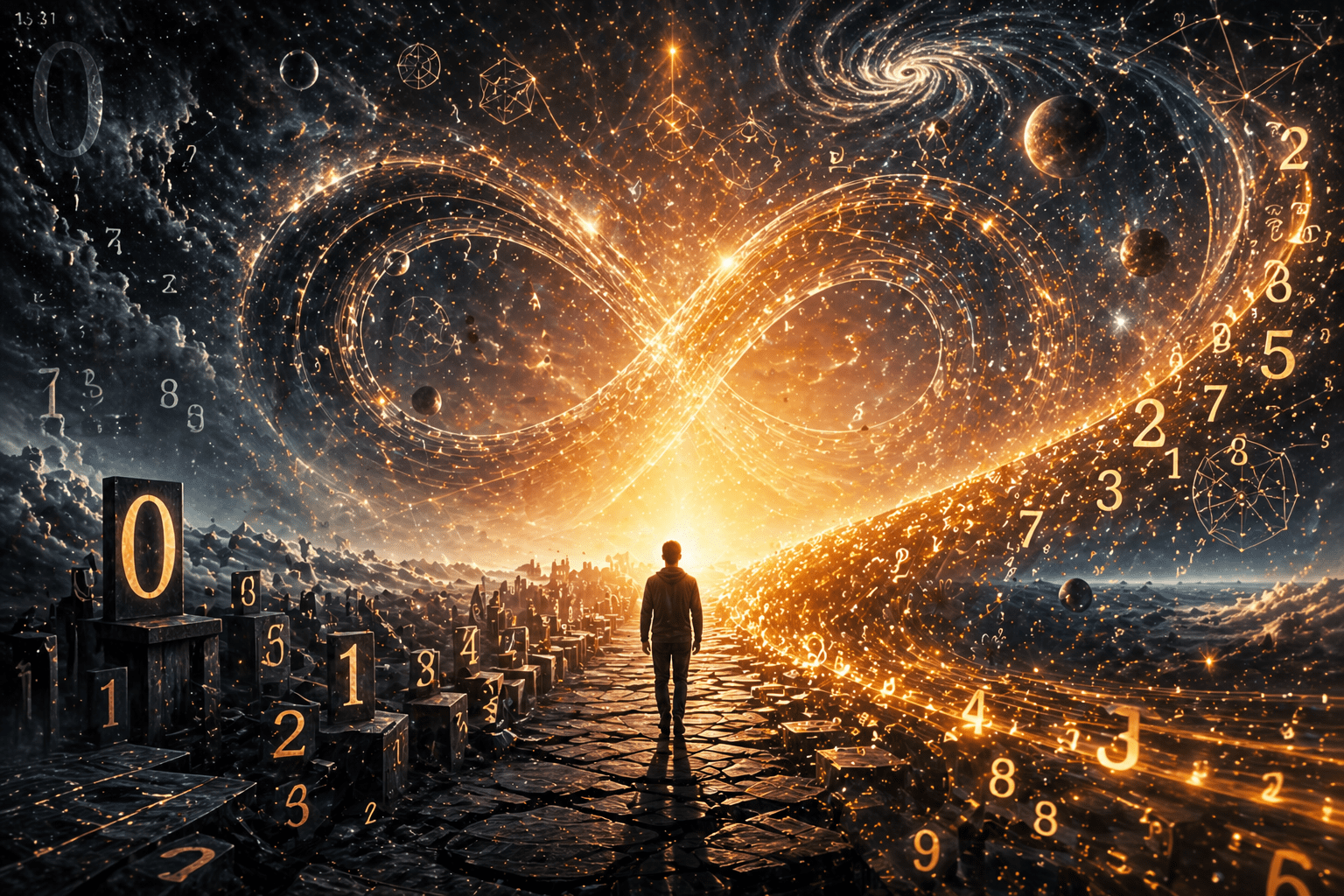
Over time, there has been a paradigm shift. Today, most cultures see the future ahead and the past behind. This change is associated with the development of technology, globalization, and the growth of information noise. External forecasts, scenarios, and predictions began to shape the general idea of the future as something manageable and controllable. The future has become not just a mystery but a product of collective imagination, which is often imposed on us through films, news, and other media.
However, such an approach also carries risks. External reference points overshadow the inner voice and make a person less dependent on intuition. We begin to rely on paths set by others, losing the magic of discovery and the possibility of moving into the unknown. This turns the future into a field of control rather than creativity. Instead of intuitive steps, we increasingly follow imposed standards, forgetting that the most valuable thing is the freedom to create our own future.

True development is possible only when we find a balance between the internal and external. External forecasts are useful, but they should not suppress intuition. Leaving space for personal creativity, we return the magic of the unknown, which is the source of inspiration. A person who knows how to combine conscious planning with inner trust in intuition can not follow the collective currents but create new paths.
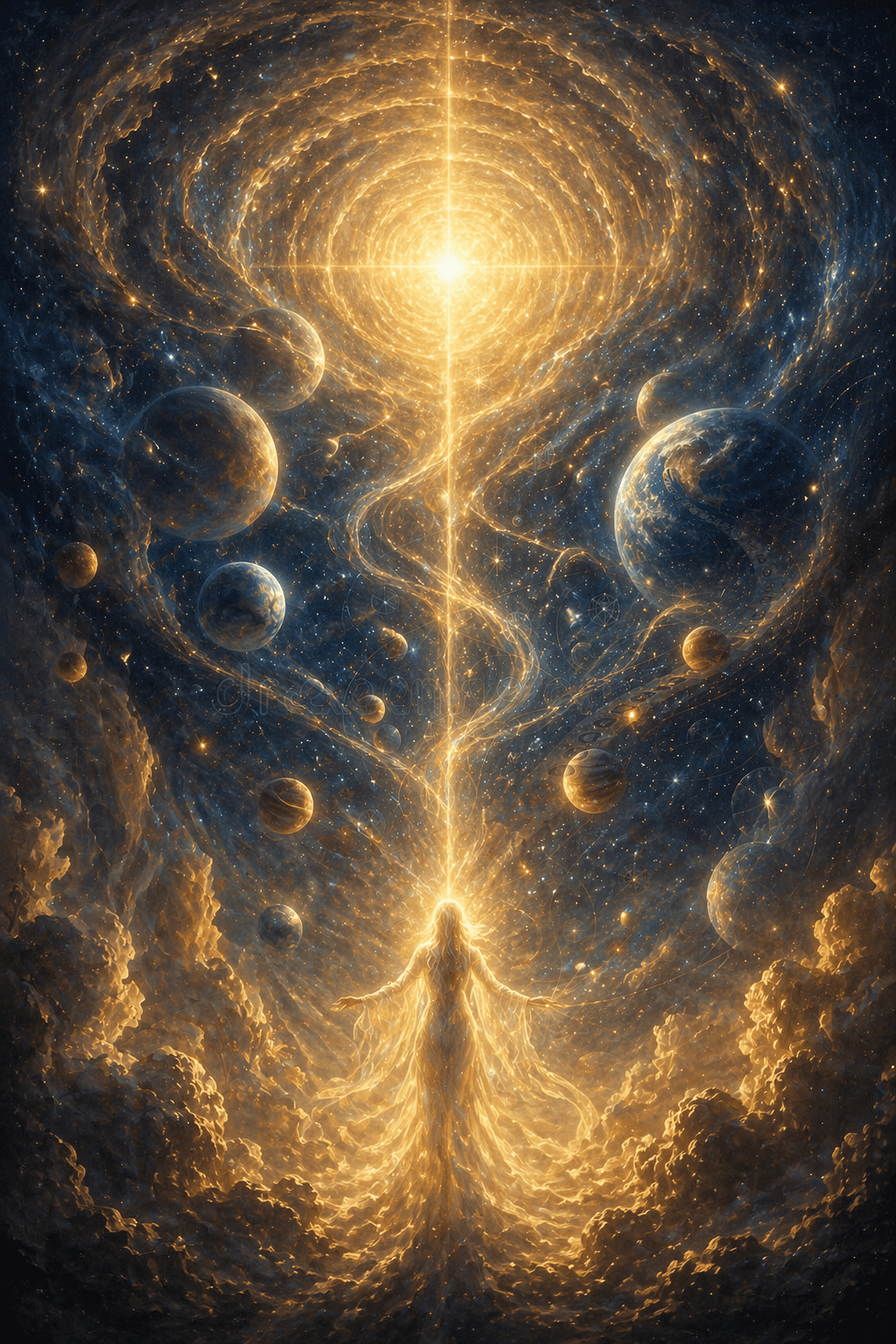
The future, located behind us, reminds us that we do not have to know everything in advance. It is more important to learn to be in the moment, to accept the unknown, and to rely on the deep knowledge within ourselves. Only then can we move not just forward but also upward, to new levels of awareness and creativity.