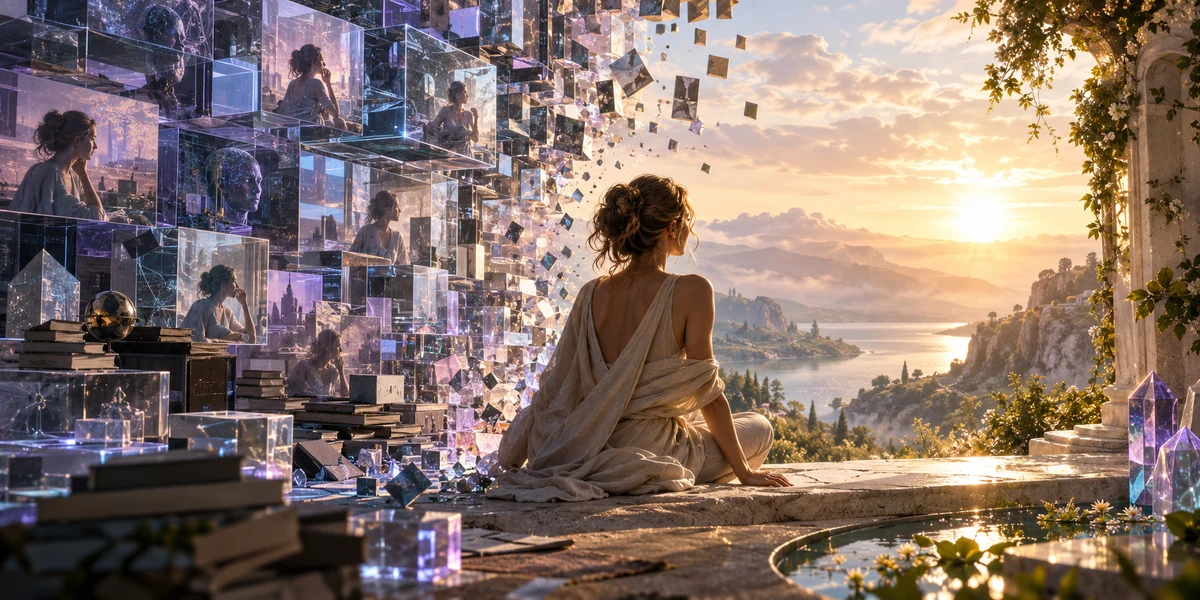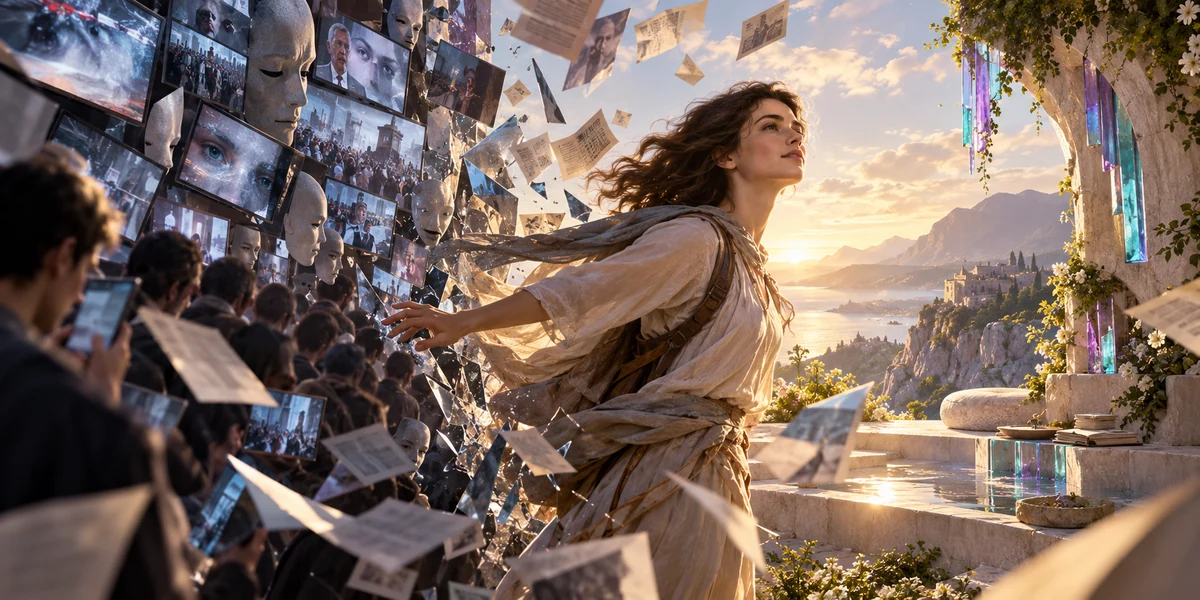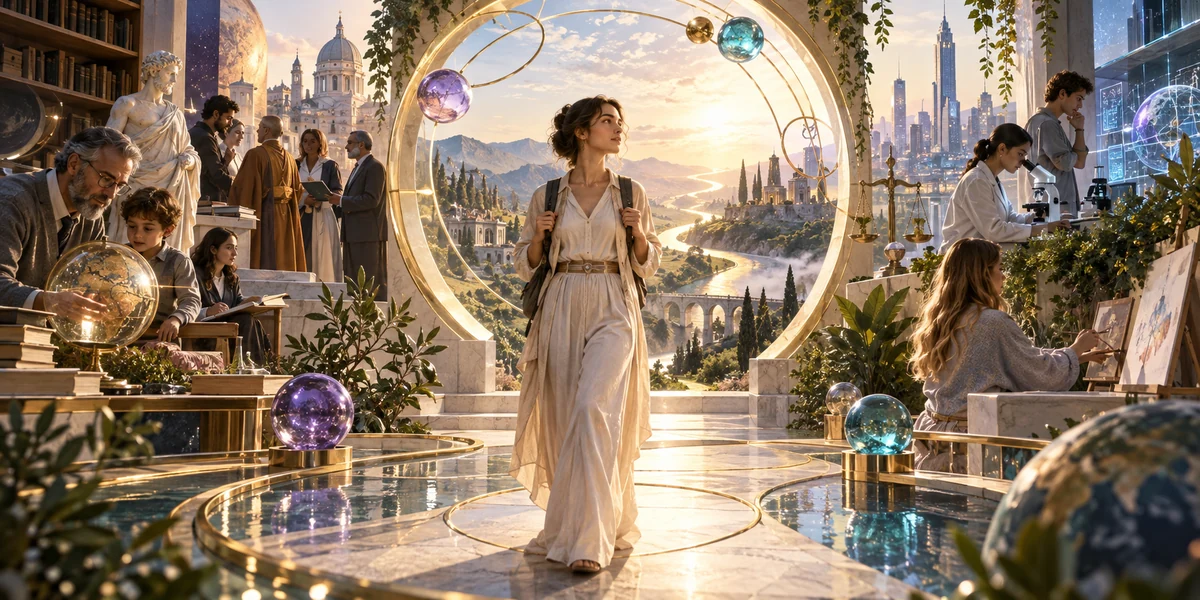
What are systems? They accompany us from the very first moments of existence, even before birth. We enter a world where structure already exists: the body, time, family, and society. We become part of linguistic, political, religious, scientific, and cultural systems. Within each of them, we either lose ourselves or become more aware of who we are. Systems are the frameworks through which consciousness learns to know itself.
We exist within systems from the beginning, yet it is through our interaction with them that individuality is formed. Acceptance or rejection, participation or distance become part of the birth of the self. Through our reactions, words, and actions, we create our own system of coordinates. At the same time, by creating new systems or combining existing ones, we both expand and limit ourselves. Every rule brings order to chaos, but at the same time defines a boundary.

A system is necessary because it creates form within chaos, making experience possible. Without order, there would be no distinctions, awareness, or perception of reality itself. Our senses, language, and the laws of physics are all systems that allow us to experience the world. However, it is important to remember that systems are tools, not ultimate goals.
Human-made systems are often built on opposition: system against system, idea against idea, religion against religion. We have become accustomed to viewing conflict as the engine of progress. Yet this is only one possible scenario. Alongside conflict, there are paths of harmony, synthesis, and co-creation, which can also lead to growth and the expansion of consciousness.
Duality lies at the foundation of many familiar ways of thinking. Black and white, good and evil, masculine and feminine help us learn and navigate the world, but they cannot contain the full richness of reality. Consciousness is greater than any opposition, because it encompasses multiple layers of perception and meaning.
One of the most limiting systems is the belief in limitation itself. If a person believes that growth is possible only through competition and struggle, that is the reality they will continue to create. But if one accepts the possibility of development through understanding, unity, and integration, an entirely different reality emerges. We do not reject chaos—we stop fearing it and learn to transform it into a space of freedom and creativity.
By creating new systems, we do not abandon humanity’s accumulated wisdom; we restore it to wholeness. Religions, philosophies, technologies, and myths become part of a unified field of knowledge from which a new architecture of consciousness can emerge. At the center of such a system stands the continuous development of the individual in harmony with oneself, nature, the world, and the Universe. It is a path of unfolding, awareness, and return to the Whole.