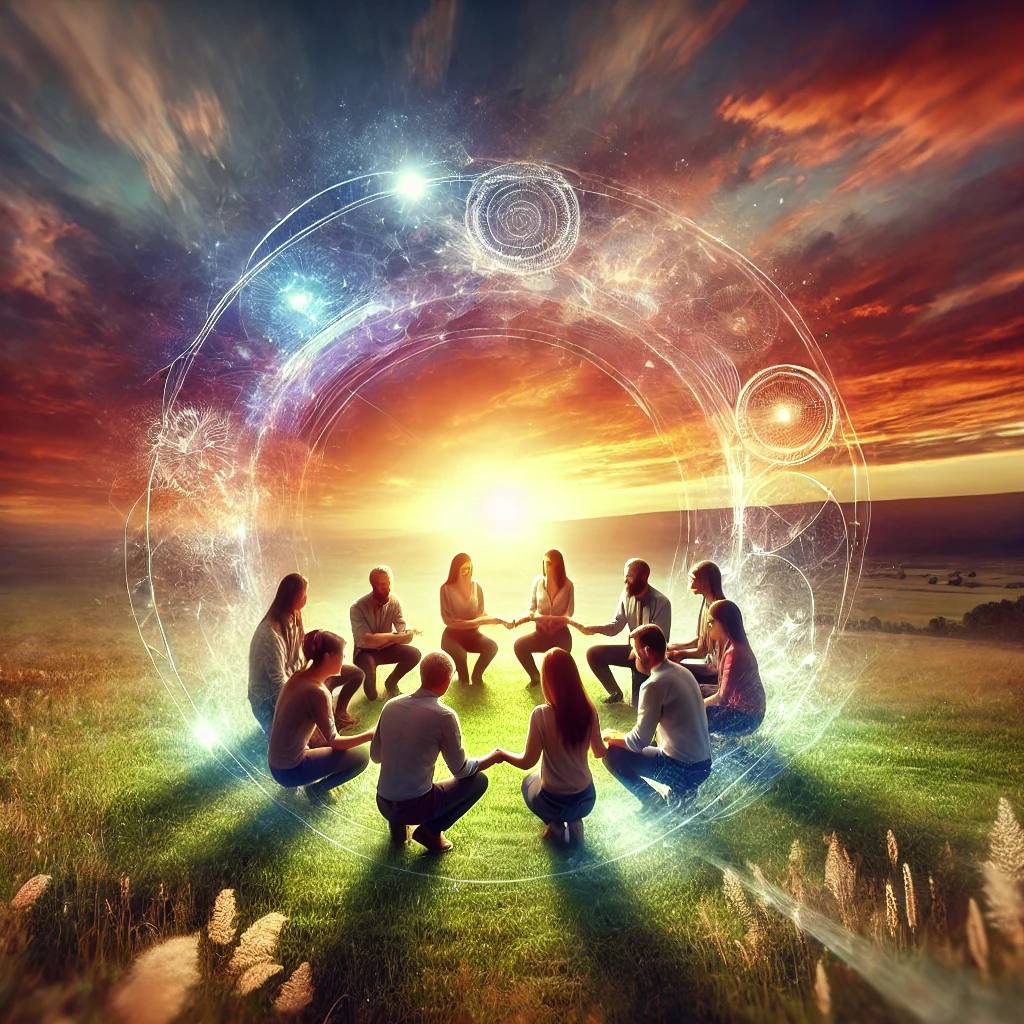
The very word resonates with the idea of CO-CREATION — creating together.
CONSCIOUSNESS can be understood as the union of “co” (together) and “knowledge”—knowledge and experience accumulated through previous incarnations or cycles of evolution. From this perspective, our individual consciousness is only a part of the collective knowledge and experience that exists within a shared field, to which each of us gains access according to our own context of existence.
This leads to an intriguing question: if “co” implies creating together, why should the Creator be only one? According to the worldview of our distant ancestors, there were many forces and energies involved in the creation of the Universe. They understood creation as the result of the interaction of multiple creative principles rather than the work of a single Creator. Referring to these forces and energies as the Higher Gods, they never reduced all creation to one sole Creator.
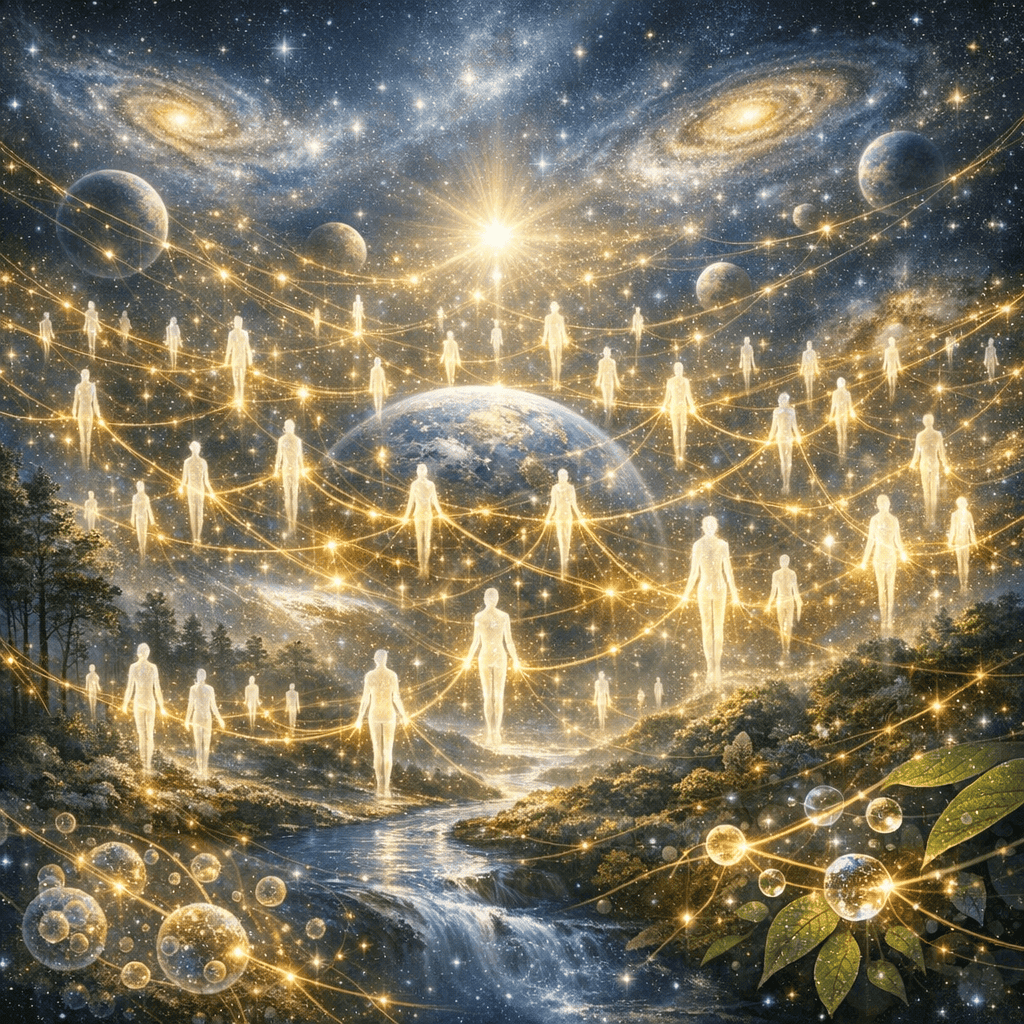
The Gods are united only through their shared creative work, yet they remain multiple, because the forces and energies they embody are different, as are their creative purposes. Space, galaxies, planets, and civilizations of living beings are simultaneously one and many, because each contains an infinite number of smaller spaces, galaxies, planets, civilizations, and worlds within itself.
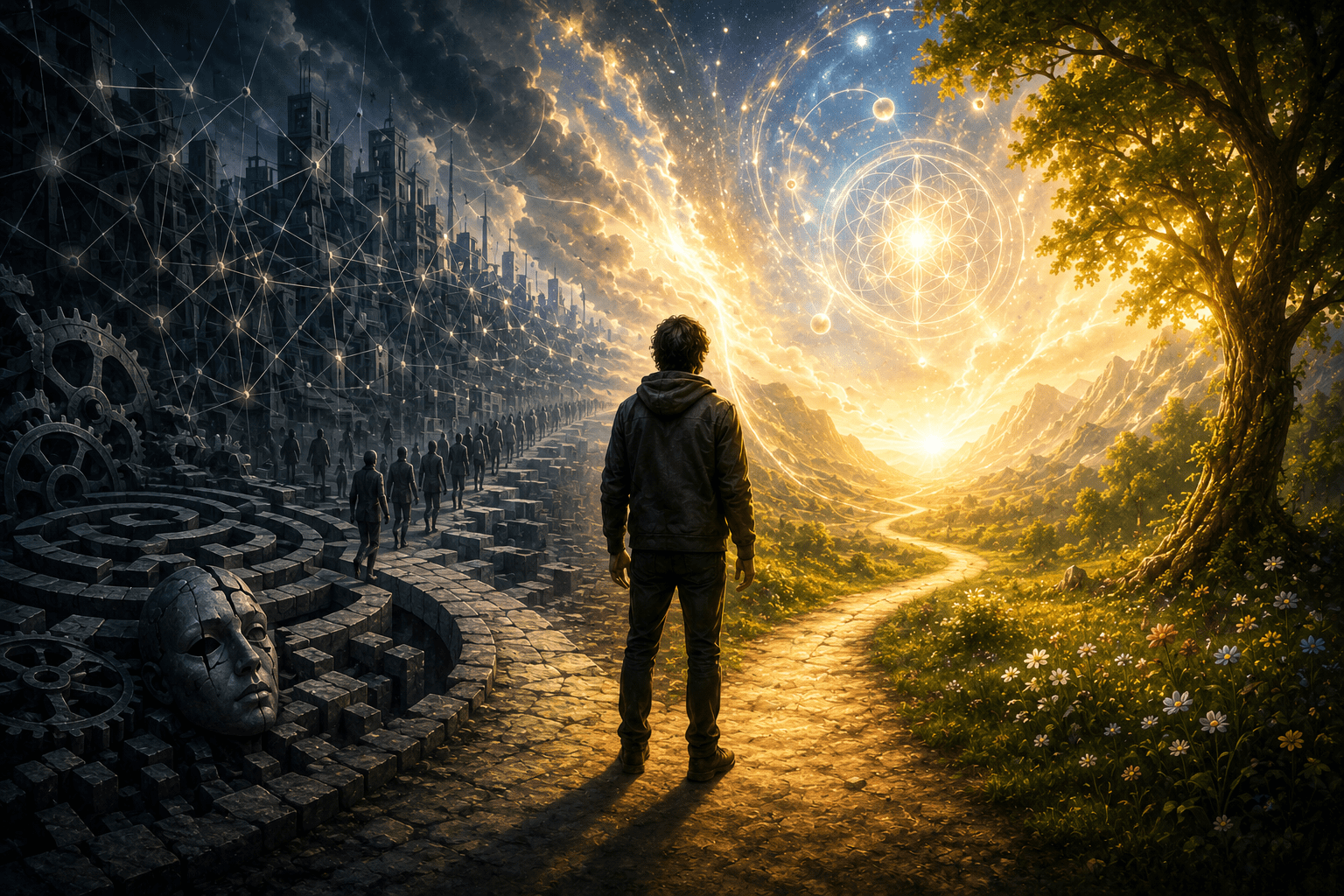
Therefore, CONSCIOUSNESS and CO-CREATION are, by their very nature, processes of diversity and the simultaneous presence of an immense, infinite number of different forces and energies. There is no single center—there are countless centers. Modern technologies such as blockchain and Web3 illustrate this principle by demonstrating decentralized systems. From this perspective, the concept of a single center is seen as a misconception that can lead to significant imbalances, as history and ancient traditions repeatedly suggest.
Originally, our ancestors embraced a worldview in which the divine was present in every manifestation of nature—in every blade of grass and every leaf upon a tree.
Today, recognizing one’s own divine role—the role of the CREATOR of one’s personal reality and the CO-CREATOR of our shared reality—can be understood as a path toward a renewed vision of plurality in creation, within both our physical and spiritual realities.