The Wave of Attention: Reality as Choice

The Wave of Attention: Reality as Choice

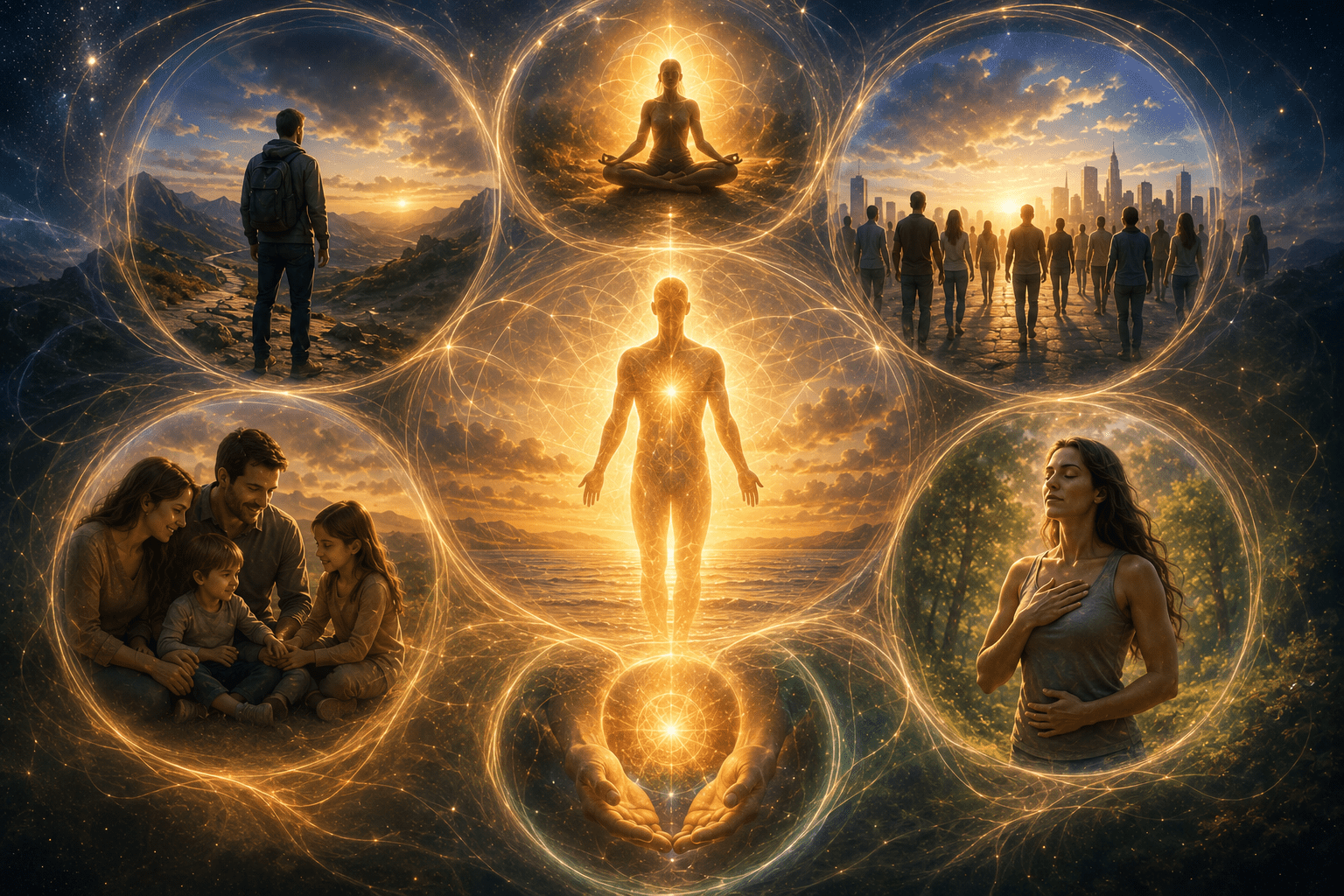
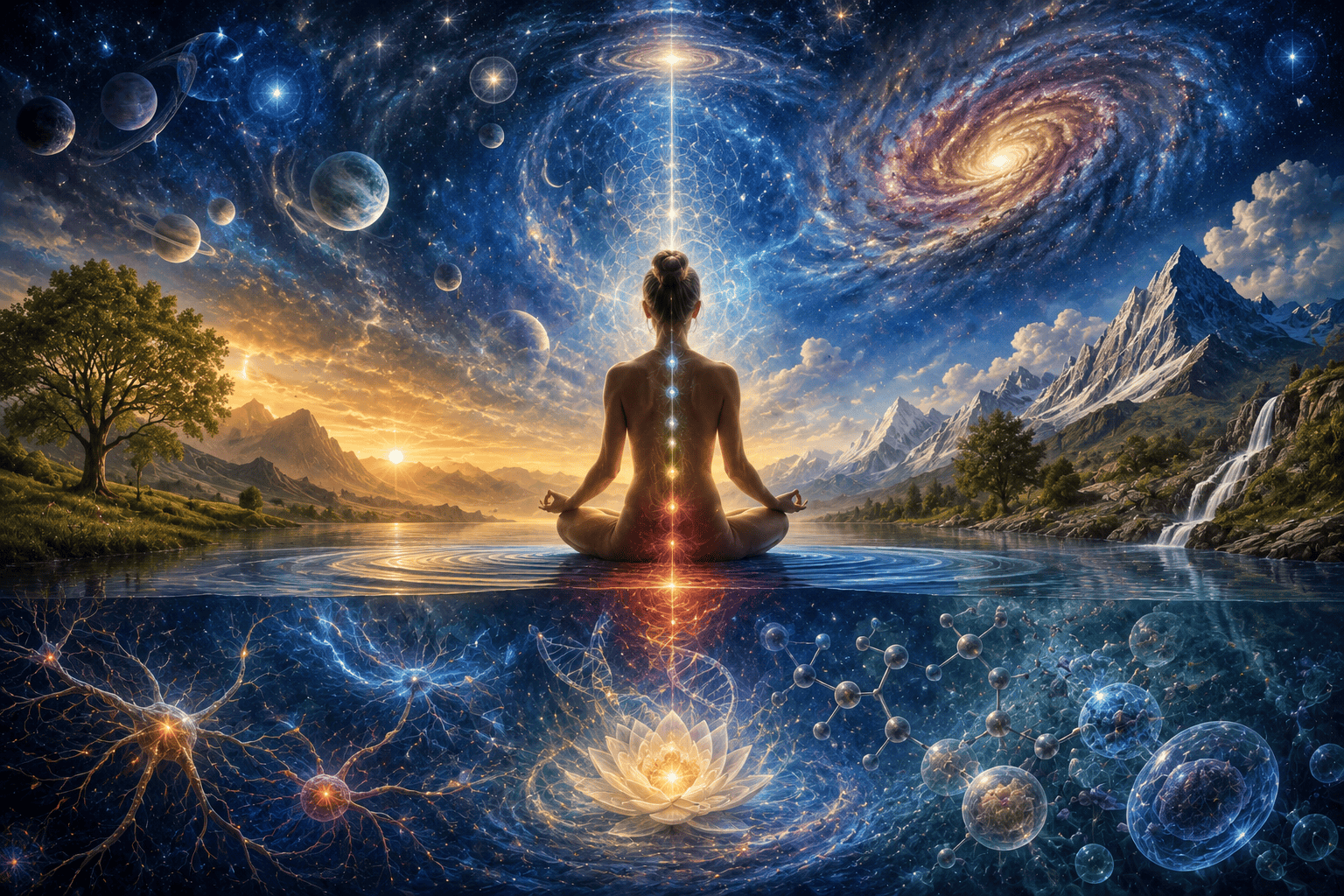
Every human decision is not just an action, but a direction of inner energy. Reality is not something completely fixed: a person lives among countless probabilities, and attention determines which of them becomes dominant. What a person consistently focuses on gradually begins to manifest not only in the external world, but also within themselves.

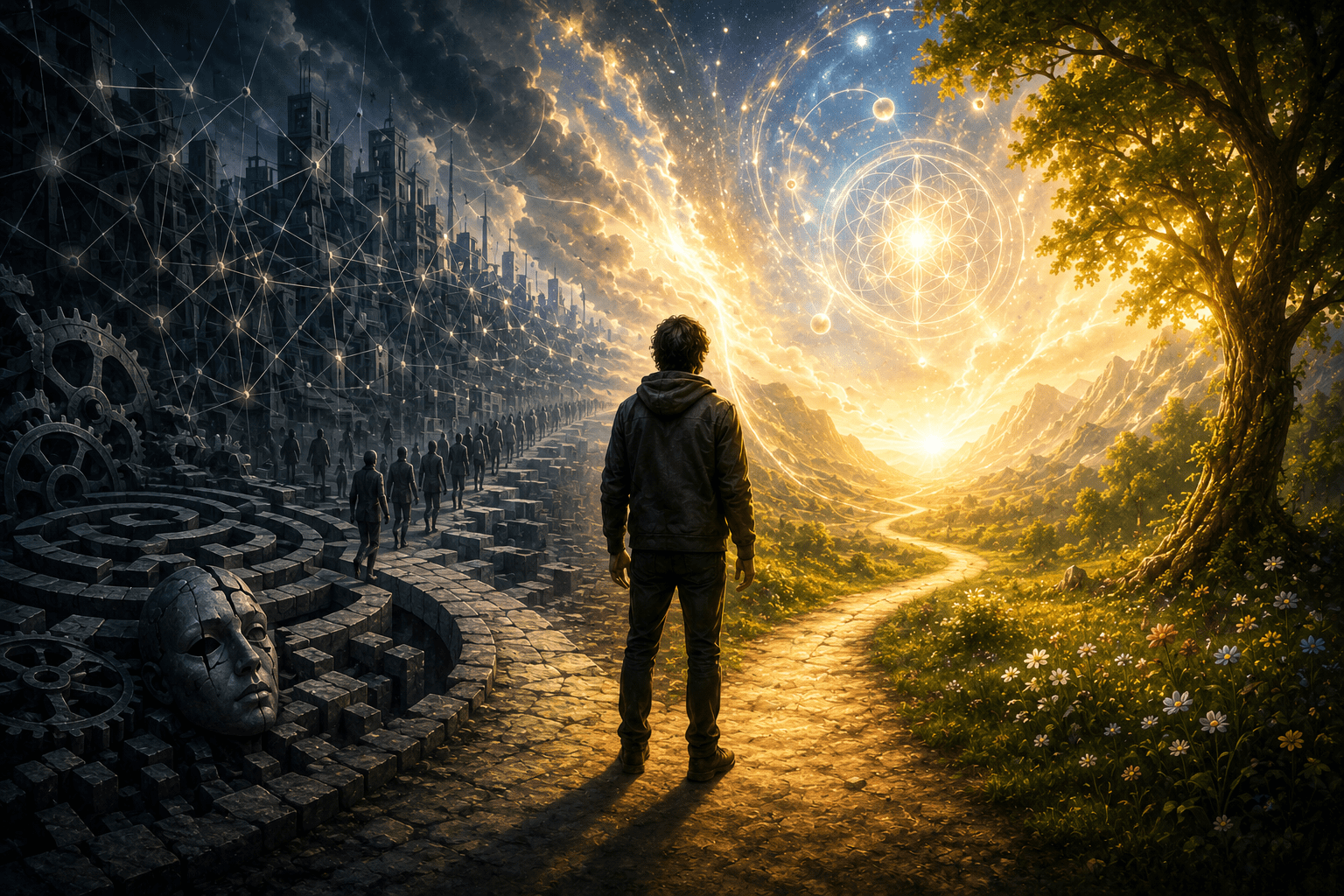
Most often, people choose familiar scenarios — those that feel safe and most likely to happen. This creates a sense of stability, but at the same time limits perception. Yet even the most unlikely possibilities continue to exist somewhere beyond habitual vision, waiting for the moment when a person allows them into their field of attention.

Every thought to which a person once gave energy leaves a trace within their inner world. Even backup or fearful scenarios begin to influence perception when attention constantly returns to them. By creating a mental image, a person already gives it form and a place within their reality.

When something goes wrong, the question is often not why the world is resisting, but where attention is being directed. Doubts, fears, and constant focus on negative possibilities gradually strengthen them. Reality begins to reflect not a person’s desires, but their inner fluctuations.

But attention can be directed consciously. A person does not need to fight every negative scenario — it is enough to stop feeding it with energy. Reality is much like a garden: what receives attention grows. Focused consciousness is not control through fear, but care for one’s inner reality.

Focus is not tension, but clarity. The clearer a person’s inner alignment becomes, the more accurately they move toward what truly feels authentic. The world does not choose instead of the individual — it only reflects what the person inwardly agrees with.

Conscious attention becomes a form of inner guidance. When choices are made not from fear, but from depth and honesty with oneself, reality stops feeling like chaos or a constant test. Because a person begins to live not in a flow of accidents, but in a flow of intention.

More in Philosophy of Consciousness

Philosophy of Consciousness

Philosophy of Consciousness

The Price of Illusions and True Value

In a world where every symbol of faith can become a business, it is easy to mistake the genuine for the imitation. We see temples built for profit, statues of…

Read
The Age of Philosophers: When Questions Matter More Than Answers
Philosophy of Consciousness

The Age of Philosophers: When Questions Matter More Than Answers

Every era creates its own heroes. Some belong to conquerors, others to engineers or entrepreneurs. But there are moments in history when meaning, rather than technology, becomes the true driving…

Read
I–8I
Philosophy of Consciousness

I–8I

When a person says “I,” they do more than identify themselves—they define the direction of their inner movement. “I, through the Path of Spirit, the World, People, Family, create a…

Read
Love and Fear: Two Forces That Shape Reality
Philosophy of Consciousness

Love and Fear: Two Forces That Shape Reality

Throughout history, humanity has searched for the foundation of existence—the force behind choice, movement, and destiny. Beyond cultures and eras, two fundamental forces remain: love and fear. They are not…

Read
Systems as a Reflection of Eternal Order and the Personal Path
Philosophy of Consciousness

Systems as a Reflection of Eternal Order and the Personal Path

What are systems? They accompany us from the very first moments of existence, even before birth. We enter a world where structure already exists: the body, time, family, and society.…

Read
Fear as the Shadow of Forgetfulness and the Path of Return
Philosophy of Consciousness

Fear as the Shadow of Forgetfulness and the Path of Return

Fear is not merely an emotion but a consequence of forgetting one’s true nature. When a person forgets who they truly are, the illusion of separation arises. We begin to…

Read
The Trinity of Form: How Our Reality Is Built
Philosophy of Consciousness

The Trinity of Form: How Our Reality Is Built

Everything a person perceives as reality manifests through three interconnected aspects: time, space, and matter. These are not separate elements, but a unified system through which the perception of the…

Read
Light as the Observer: Beyond Judgment
Philosophy of Consciousness

Light as the Observer: Beyond Judgment

Why has humanity become accustomed to seeing darkness as something bad and light as something good? If all judgments are removed, it becomes clear that they are not opposites, but…

Read
Beyond the Limits: Returning to Truth
Philosophy of Consciousness

Beyond the Limits: Returning to Truth

Can reality be a simulation? Perhaps. But even the idea of simulation itself is only one level of perception. Beyond any concept, there is always something unchanged — the living…

Read
Changing Your Perspective — Revealing the World
Philosophy of Consciousness

Changing Your Perspective — Revealing the World

If you want to change the world, begin with yourself. This idea may sound simple, yet it holds immense power. The world a person sees around them is directly connected…

Read
Darkness: The Depth in Which Everything Is Born
Philosophy of Consciousness

Darkness: The Depth in Which Everything Is Born

From childhood, we are taught to perceive darkness as the absence of light. But darkness is not emptiness. It is a space of potentiality in which everything already exists, yet…

Read
The Power of Meaning: Going Beyond What Is Imposed
Philosophy of Consciousness

The Power of Meaning: Going Beyond What Is Imposed

The world we live in increasingly resembles an experiment. Social, political, and cultural changes seem to test the limits of perception, resilience, and the willingness to follow someone else’s сценарии.…

Read
The Transition from Scarcity to Abundance
Philosophy of Consciousness

The Transition from Scarcity to Abundance

The world we live in today is structured like a Game of Limitation. We have become accustomed to thinking in terms of lack: time, money, attention, energy. This mindset shapes…

Read
Eternal Reinterpretation
Philosophy of Consciousness

Eternal Reinterpretation

Science seeks answers, yet often fails to notice that it creates the very boundaries of its own search. A person always finds confirmation for what they want to believe —…

Read
Consciousness as the Primary Source of Reality
Philosophy of Consciousness

Consciousness as the Primary Source of Reality

What if the world begins to exist precisely at the moment we appear within it? Everything before that is merely a backdrop, taking shape at the moment of our birth…

Read
The World Is a Mirror of Your Consciousness
Philosophy of Consciousness

The World Is a Mirror of Your Consciousness

You are not merely an observer of reality—you are its co-creator. The world does not exist separately from your perception, it takes shape in accordance with your thoughts, feelings, and…

Read
The world is as we are ready to see it
Philosophy of Consciousness

The world is as we are ready to see it

Everyone perceives reality through the prism of their own experience. What seems “wrong” to us is only a reflection of our expectations, beliefs, and limitations. The world has no form…

Read
Acceptance of Reality as a Path Beyond
Philosophy of Consciousness

Acceptance of Reality as a Path Beyond

Reality does not require our judgment—it simply is. Every moment, every event, every sensation is part of a single flow in which we exist. When we stop dividing the world…

Read
Reality as a Living Pattern: The Art of Awareness
Philosophy of Consciousness

Reality as a Living Pattern: The Art of Awareness

The world is not a frozen picture but a living, constantly changing structure where each of us is both an observer and a creator. We shape our reality through thoughts,…

Read
The world is as we are ready to see it
Philosophy of Consciousness

The world is as we are ready to see it

Each of us perceives reality through the prism of our own experience. What seems “not quite right” is often just a reflection of our expectations, beliefs, and limitations. The world…

Read